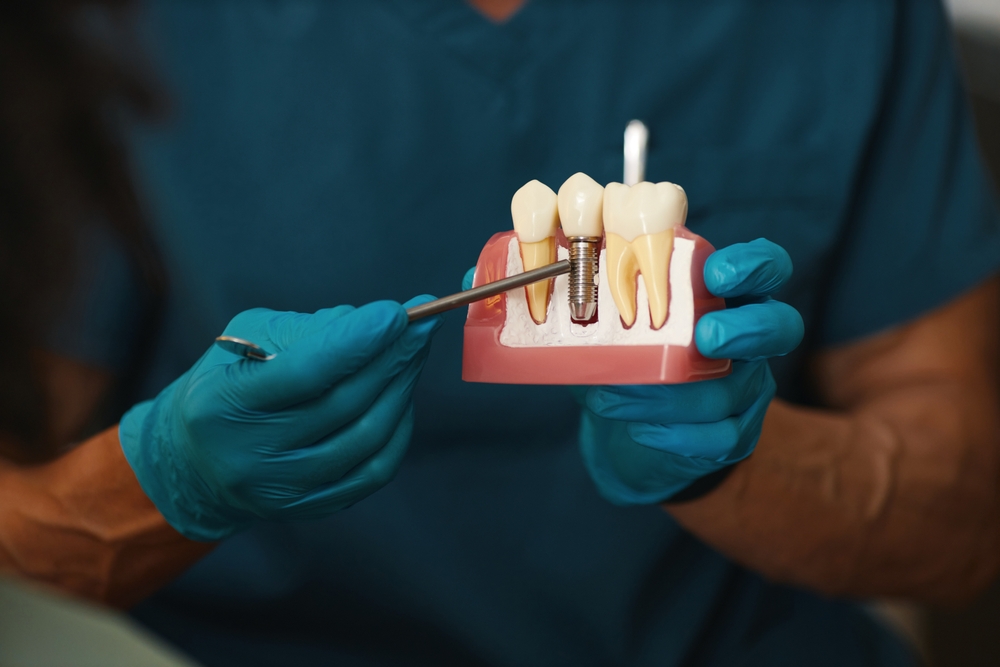
When a tooth becomes deeply infected, early care is very important. Delaying treatment, such as root canal therapy in Encino, can allow the problem to grow inside the tooth and affect nearby tissues. What may start as mild pain or sensitivity can, if left unchecked, slowly turn into a more serious dental concern.
Many people seek help at a dental office in Encino when tooth pain first starts, but some wait because the pain comes and goes. Knowing what to do next can help you make quicker, safer decisions about your oral health.
Why a Tooth May Need a Root Canal
A root canal is needed when the inner part of the tooth becomes infected or damaged. This inner area contains nerves and soft tissue that help keep the tooth healthy.
Common reasons include:
- Deep cavities that reach the inner tooth
- Cracks or fractures in the tooth
- Repeated dental work on the same tooth
- An infection that spreads inside the tooth
When this happens, the infection does not heal on its own. It slowly spreads deeper.
What Happens If Treatment Is Delayed?
Ignoring the problem does not make it go away. In fact, the condition often becomes more painful and complex over time.
1. Increasing Tooth Pain
Pain may start as mild sensitivity. Over time, it can become:
- Sharp pain while chewing
- Throbbing pain at rest
- Discomfort that spreads to the jaw or ear
The pain may come and go, which often creates a false sense of improvement.
2. Infection Spreading Deeper
Without treatment, bacteria inside the tooth continue to grow. This may lead to:
- Swelling around the gums
- Pressure in the jaw
- Pus near the tooth area
- Bad taste in the mouth
At this stage, the infection may require more complex care than early treatment.
3. Damage to Surrounding Teeth and Bone
A tooth infection does not always stay in one place. It can spread to nearby areas and may cause:
- Weakening of nearby teeth
- Loss of bone around the tooth root
- Movement of nearby teeth over time
This can affect how your teeth fit together and may cause discomfort when biting or chewing.
4. Tooth May Become Non-Salvageable
If the infection becomes severe, saving the natural tooth may become difficult. In such cases, removal might be the only option.
Early care at a dental office near you can avoid this outcome.
5. Impact on daily life
An untreated infection can make everyday activities difficult, such as:
- Eating without pain
- Sleeping comfortably
- Speaking in some cases
- Focusing on daily work
The pain may also become more frequent and harder to ignore.
Early Warning Signs Not to Ignore
Recognizing early symptoms can help prevent complications. Signs that a tooth may need attention include:
- Lingering tooth sensitivity
- Pain when biting or chewing
- Swelling in the gums near a tooth
- Darkening of a tooth
- A small bump on the gums
- Increased sensitivity to hot or cold
If these signs appear, checking options like root canal therapy near you can help address the issue early.
How Infection Progresses Over Time
The problem usually gets worse in steps:
Stage 1: Early sensitivity
The tooth feels a bit sensitive, but still works normally.
Stage 2: Pain starts
The pain becomes more intense and may worsen while chewing.
Stage 3: Infection spreads
Swelling and discomfort increase, and the infection can spread to nearby areas.
Stage 4: Severe Condition
The tooth structure weakens, and the surrounding bone may be affected.
Each stage becomes harder to manage if delayed.
Why Early Treatment Matters
Getting care early can help:
- Reduce pain faster
- Protect your natural tooth.
- Stop the infection from spreading.
- Avoid more complex treatments later.
- Support long-term oral health.
Many people go to a dental office in Encino only when pain gets worse, but early visits often make treatment easier.
What Happens If You Wait Too Long?
Delaying treatment can lead to:
- Stronger and more frequent pain episodes
- Greater risk of infection spreading.
- Higher chance of tooth loss
- Need for more advanced dental procedures.
What begins as a small issue can become a long-term dental concern.
Who Is at Higher Risk of Complications?
Some situations may increase the risk of faster progression:
- Untreated deep cavities
- History of dental infections
- Poor oral hygiene habits
- Cracked or damaged teeth
- Delayed dental visits
In these cases, early evaluation becomes even more important.
Stop Dental Infection Before It Spreads Further!
Take the next step toward protecting your oral health by booking a dental visit today. Early evaluation helps identify the right treatment at the right time and prevents future complications. Get in touch with SMiles Encino General & Family Dentistry for clear guidance, personalized care, and long-term dental comfort.
FAQs
Can a tooth infection go away without treatment?
No. Once the inner tooth is infected, it does not heal on its own and usually worsens over time.
How fast does a tooth infection spread?
It varies, but infection can spread gradually and may become more severe within weeks or months.
What is the first sign that you may need a root canal?
Pain or sensitivity that does not go away, especially when eating or drinking, is often an early sign.
Can waiting too long affect other teeth?
Yes. If an infection is not treated, it can spread to nearby teeth and the surrounding bone.